







For too long, people across Peckham have been struggling with the cost-of-living crisis and an economy that does not work for them.
Families who are working hard, caring for loved ones and contributing to their communities, have been under pressure as the cost of everyday essentials have soared.
This year our government’s relentless focus will be on tackling the cost of living. That means acting immediately to lower the costs of essentials, whilst delivering changes that will improve living standards for the long term.
First, the government is prioritising measures that immediately put money back into people’s pockets. We have ended the two-child benefit cap, lifting 450,000 children out of poverty and providing financial relief to hundreds of thousands of families.
We are improving the pay that people are taking home by increasing the minimum and national living wage (worth £900 a year for millions of low paid workers) and strengthening workers’ rights, including ending exploitative zero hours contracts, establishing day one rights for paternity, parental and bereavement leave, strengthening sick pay and launching the fair work agency. By boosting worker’s rights and conditions, the government is tackling one of the root causes of financial insecurity.
Alongside this, we have introduced measures to bring down every-day costs and make monthly bills more affordable for households. We are taking £150 off energy bills for everyone and £300 for those on means tested benefits; bringing down transport costs by freezing rail fares, extending the fuel duty cut and extending the bus fare cap; and freezing prescription charges.
For families, we are rolling out free breakfast clubs to hundreds more schools and offering 30 hours of free childcare worth up to £7,500 a year.
Critically, the action we are taking to bring down bills sits alongside bigger reforms to ensure that essentials are affordable in the long term.
On energy, we are accelerating investment in cheaper, homegrown clean power that reduced our dependence on volatile global markets. This is not just a climate imperative—it is a cost-of-living one.
Relatedarticles


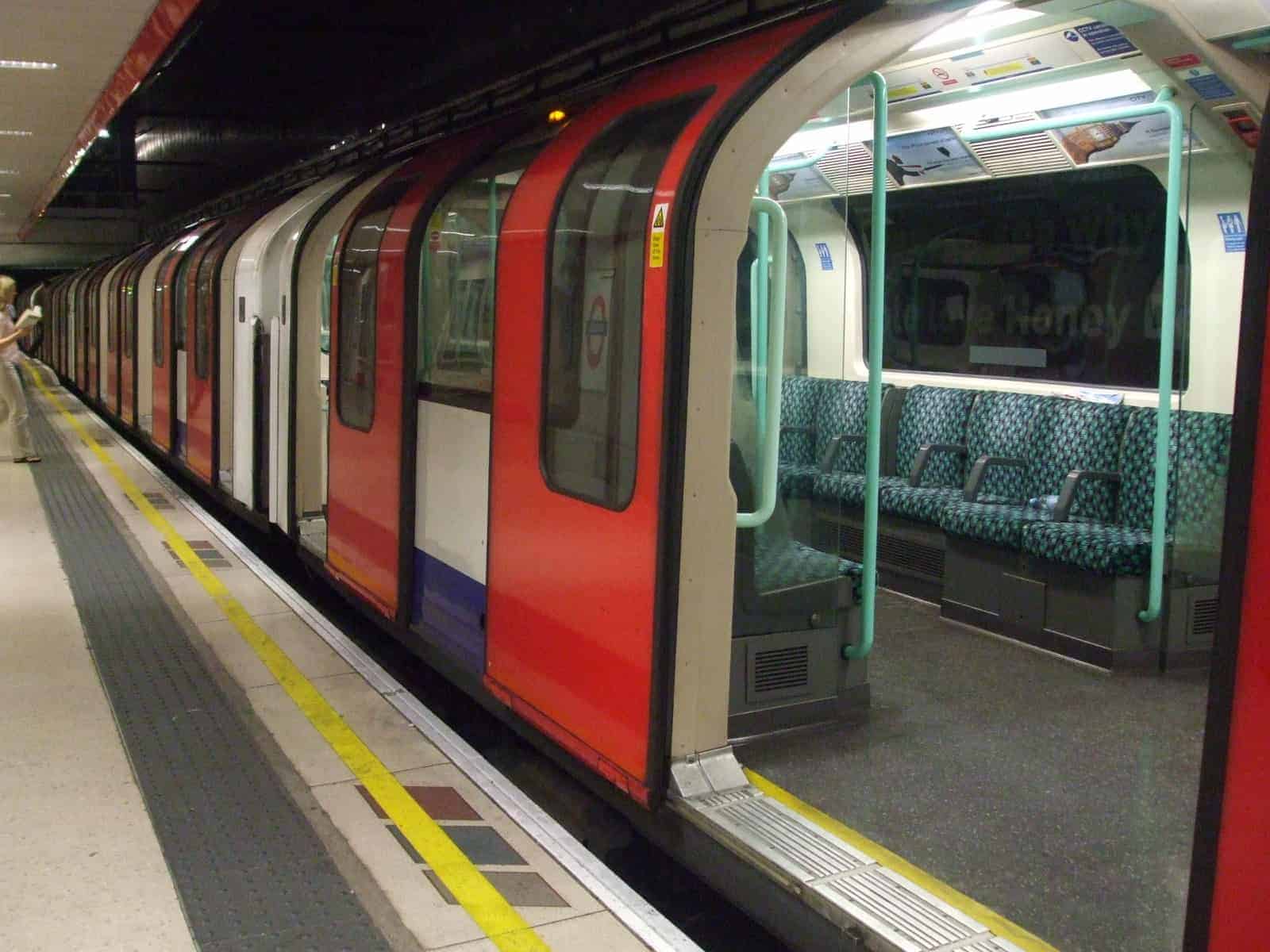

On transport, we are taking railways back into public ownership through Great British Rail so that they work in our interests and deliver affordable travel.
And through our childcare reforms, we are delivering free universal childcare for the first time ever for children from 9 months to school age, so that parents don’t have to make the choice between going back to work and expensive childcare.
This is a start, but we know we must go further. And for me, housing must be at the heart of this. For too many, the security of a good, affordable home is out of reach. Our government is determined to tackle this.
In May, our Renters Rights Bill comes into force, finally ending no fault eviction and requiring higher standards of rental accommodation.
The introduction of Awaab’s law will ensure that social landlords are required to provide decent homes, ending the blight of damp and mould in too many of our homes.
And we are tackling the affordability crisis by delivering the biggest boost to social housing, backed by £39 billion pounds of investment and reforms to planning rules to get the homes we need built.
By focusing relentlessly on lowering costs and raising living standards, this government is making a clear choice this year: to stand with working people so that you feel the change that you voted for.