








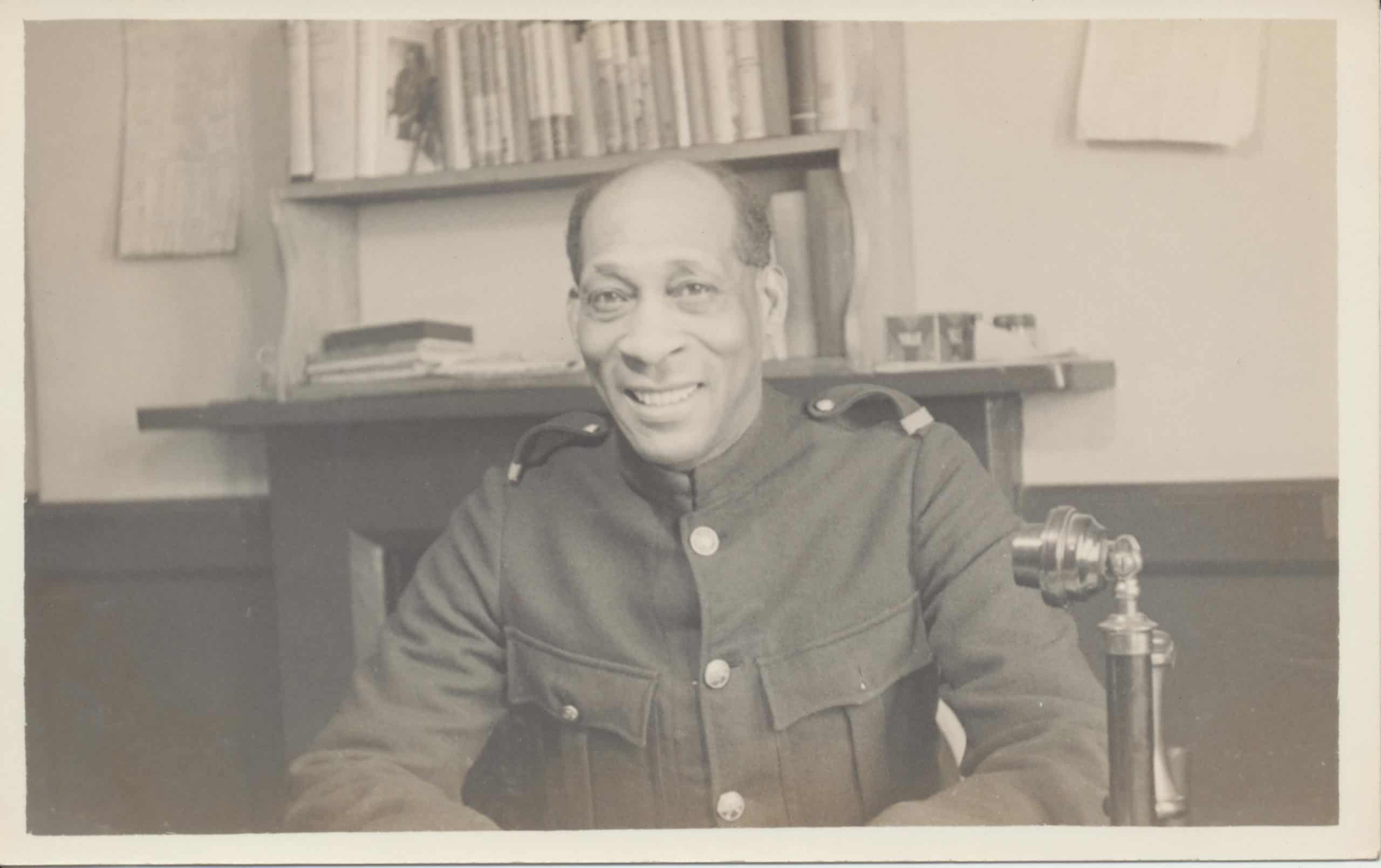
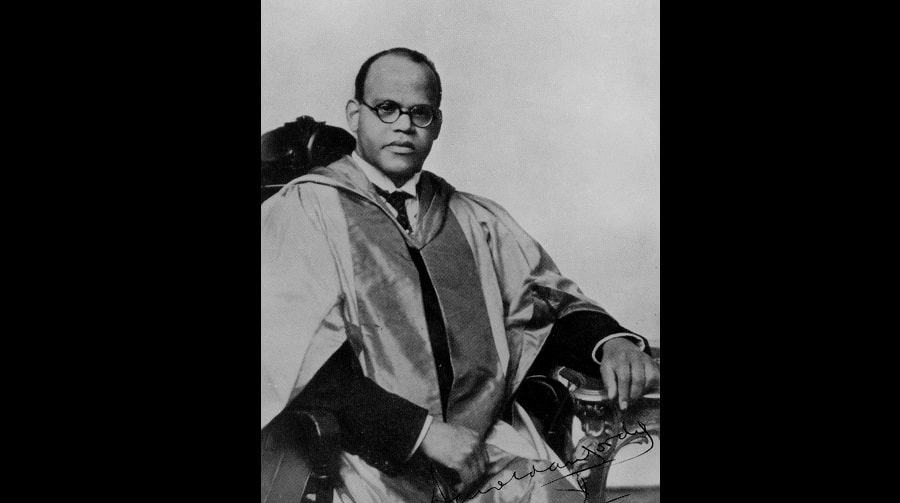
The surgery of Harold Moody, a trailblazing Black doctor who treated society’s poorest, has been sold after five generations with the same family.
Over the last 100 years, the Georgian property has witnessed Peckham’s evolution from village-feel community to the diverse cultural hub known today.
The Baker family, who moved in during the 1950s, later buying the home for a paltry £7,000, said selling up had felt “very odd”.
The altruism of Dr Harold Moody, who cared for South London’s neediest from his Queens Road house, long before the NHS existed, left a permanent mark on Peckham.
Born in 1882, and considered Britain’s answer to Martin Luther King, the Jamaican-born physician founded The League of Coloured People which campaigned to ‘improve relations between races’.
After Moody died in 1947, Southwark Council purchased the large building, splitting it into several flats.
In 1959 the Baker family moved in and in a rare occurrence for transient London, kept it for an astonishing five generations.
The council totally remodelled the interior so the Bakers’ home only has a few clues that point to Moody’s ownership.

There is the doctor’s plaque outside the house, evidence of the grounds’ tennis courts, and a shred of wallpaper dating back to Moody’s era.
Relatedarticles

For the working-class Baker family – father a fishmonger and mother a butter factory worker – who were kicked out of their Camberwell council flat, landing their new home was a coup.
From having to duck to hide from the rent man in their old home, and relying on Pease Pudding to keep warm during winter months, they found themselves handed the keys to an elegant three-bedroom apartment.


It had a wooden veranda looking out across a long garden, a sweeping front lawn and three large bedrooms to fit their fledgling entourage.
Valerie Baker, aged ten when she moved in with her mum and dad, said: “It was absolutely beautiful when we moved in. The garden was immaculate. We loved the apple trees and rose bushes.”
Inside the home it was typical ’50s and ‘60s decor; think G-Plan furniture and formica tables topped with decorative crockery
Valerie continued: “Peckham was lovely. It was a lovely high street with Manze’s which is still our favourite shop in the world.”
The family would visit the Jones & Higgins Department Store at the weekends – then seen as the Oxford Street of South East London.
Valerie fondly remembers how staff would take customers’ money, put it into a tube attached to a wire, which would travel on a wire to the cashier’s office elsewhere in the building.
As London moved through the swinging ‘60s and into the ‘70s, Peckham experienced its own cultural revolution.
Black-led music like Jungle and Dub took a foothold in the area and the family also got swept up in the artsy scene.
Valerie attended the Goldsmith’s art school, becoming a successful photographer. Her sister Pamela, a fashion designer, who bought the home in the 1970s, would often invite hippie friends, also from Goldsmiths, who would lounge about upstairs discussing fashion and cinema.


When Pamela took on ownership of the house, she lived there with her partner, the celebrated cartoonist Ellis Nadler, before later marrying Squeeze frontman Glenn Tilbrook.
The home would stay in the family’s hands for the next fifty years, treasured by Valerie’s children – the third generation – as a green oasis amid Peckham.
Joe, Valerie’s daughter, is now a grandmother aged just 54, meaning the home entered its fifth generation of Bakers.


Valerie moved out and started a family elsewhere. But even as Peckham changed once more, becoming grittier and gaining a reputation for crime and poverty, Pamela stayed at the property she loved.
Pamela sadly passed away in 2021, prompting the family to sell the home. Moving house is always an emotional time, providing ample opportunity for old memories, happy and sad, to rear their heads.
Discoveries included much-loved toys, letters written by parents and old photo albums the family never knew existed.
Most surprising was a photo of a great uncle had fought and died in France in World War One, aged eighteen. None of the family had known that William had even existed.
“Back in ‘50s and ‘60s, things were kept from family,” Valerie said. “You didn’t grieve, everyone just had to get on with it. There were lots of things I didn’t know and just didn’t think to ask.”
Reflecting on selling up after nearly 70 years, and rummaging through long-lost memories and possessions, Valerie said: “I feel like I’ve gone back in time. It’s been very odd. The amazing thing is you have all these memories rooted deep inside you that have never been brought forward. Suddenly, they’re there.”