








What happened to the 35 other pubs that once existed on the Old Kent Road?
In the late Victorian period, Old Kent Road had 37 pubs open for business. However, since changes in the law, environment, and social habits, only two pubs remain: The Lord Nelson and The Windsor.
Old Kent Road runs from Elephant and Castle to Peckham and served as an important coaching route to both the City of Westminster and the City of London, making the road a prime spot for pubs and beer houses.
It has been a road since Roman times and was made famous in Geoffrey Chaucer’s Canterbury Tales as the route from Southwark to Canterbury which was used by his pilgrims.

John Tweedy, from TweedyPubs on YouTube, uncovered the locations of these 37 pubs and visited their modern sites, which are now either other businesses or other forms of infrastructure.
John meticulously cross-referenced Ordinance Survey (OS) maps from the 1890s to those from the mid 1900s. Some side roads don’t exist anymore, or have been built over, so John relied on educated guesses for some of the historic pub locations.
The World Turned Upside Down
The World Turned Upside (previously 145 Old Kent Road) was a pub that has changed frequently over the years.

It used to be lavishly decorated in the early twentieth century with nods to Indo-Saracenic architecture (such as the Brighton Pavillion). You can even see the landlords name ‘Frank Clark’ on the signage.
Relatedarticles


There is a belief that the pub got its name as it was on the site of a holding station for criminals being deported to Australia.
It was rebuilt in the inter-war period, and you can see the change in brickwork style where further floors have been added. It shut it doors in 2009, and was replaced with a Domino’s pizza parlour in 2012.
The Brighton
The Brighton was situated at 8 Old Kent Road, on the corner of Buckingham Street, which no longer exists. This was a beer house in the 1890s and changed to a public house in the early 1900s. This is one of the pubs that was demolished as part of the Bricklayer Arms redevelopment at the junction with Tower Bridge Road.

Kentish Drovers
Another pub building that is still in use is 722 Old Kent Road, which was the Kentish Drovers and is now a restaurant. John discovered that it was named on the 1890 OS map instead of merely marked with a ‘PH’ for Public House, so it must have been a well-known pub.

Some elements of its latest pub building remain, although in disrepair. On the top of the building you can see a mural of drovers from Kent and thepink granite pillars on the ground floor, albeit flaking away.
Suffolk Arms and Rising Sun
At 762 Old Kent Road was the Suffolk Arms, which has now been replaced with a Lidl and at 799 was the Rising Sun, which has also been replaced with a large supermarket.
The Dun Cow
However, if you know what you’re looking for, there are a few ghosts of the pubs left behind. For example, the modern-day Dun Cow Surgery at 279 Old Kent Road got its name from The Dun Cow pub which stood in its place from 1856 to 2004.

The Bricklayers Arms
Some old pub buildings have been completely redeveloped. The Bricklayers Arms is now known as a junction of Tower Bridge Road, Old Kent Road, New Kent Road and Great Dover Street. There is a four-way roundabout and flyover, which was developed in the 1960s.

However, it was once the name of a thriving pub from 1844 to 1963 on the site of the development. It was previously where coaches travelling along the Old Kent Road to or from the city dropped off or picked up passengers and the construction is said to have demolished five pubs.

What are the reasons behind the decline of the pubs?
The exact reasons for the decline of the pubs is unknown, however, John speculates that there are numerous social and cultural factors which contributed to their decline.
A number of previous pub sites are now other hospitality businesses, such as restaurants and fast food chains, perhaps signifying a change in social habits and activities in the modern day.
The Licensing Act of 1904 (followed by its Consolidation Act in 1910) actively sought to reduce the number of licensed premises operating in England and Wales. There was also a strong temperance movement in the early part of the twentieth century, and pub owners were subsequently offered compensation for cancelling their licenses.
On the mid 20th-century OS maps, there are numerous plots labelled as ‘ruins’ on sites we know to be previous pub locations in the early twentieth century. John attributes this to World War Two bomb damage, with authorities and owners choosing not to restore the sites into pubs.
Development escalated in the area into the 1960s and 1970s, when the Grand Surrey Canal was filled in and the Bricklayer’s Arms Roundabout and flyover was built. The closure meant that pubs near the waterway saw a decline in business from Wharf workers.

Interestingly, at least ten of the 37 pubs actually survived into the 21st century, but the smoking ban of 2007 and the Covid-19 pandemic may have since contributed to their decline.
Today, just the Windsor and the Lord Nelson remain on the Old Kent Road and survive amidst an era of uncertainty for pubs.


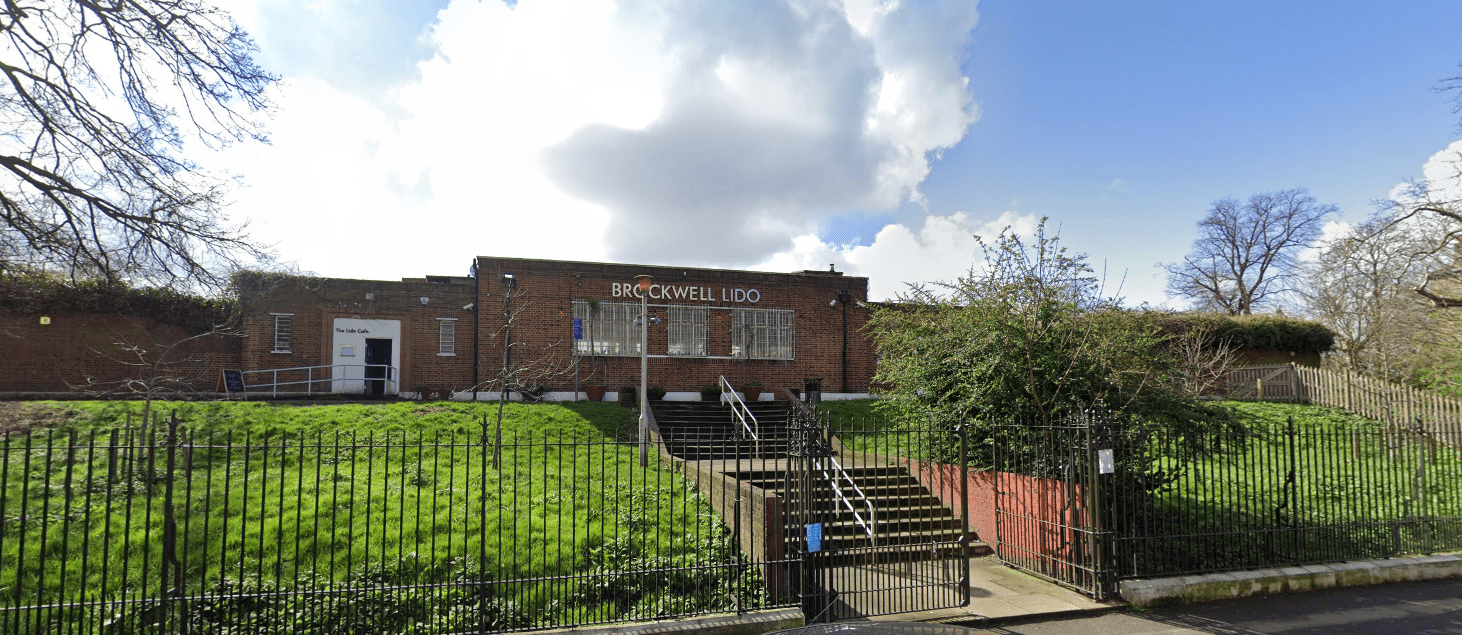


the Windsor, is not Old
kent Road , It’s
New Cross Road
R
It might have been different in the past but OKR runs from Bricklayers Arms to New Cross.
The bit between EPH and Bricklayers is New Kent Road
The Windsor – 888 Old Kent Road.
Not 888 New Cross Road.
Everyone knows why so many pubs have disappeared but you can’t say so because you’ll get in trouble!
The Windsor is the Old Kent Road, not New Cross Road. Just look at its address…
“The World Turned Upside Down” is actually the name of an English ballad from 1646, well before Australia was known to Europeans. Originally a protest against government restrictions on Christmas festivities. The name was later used by Christopher Hill for his book on the English Revolution. I had a drink or two in the pub when I first moved to the area. A sad loss.
https://en.m.wikipedia.org/wiki/The_World_Turned_Upside_Down