









Strict uniform codes to public rankings of student performance have led a Nunhead school to be called the strictest in Southwark, writes Kieran Galpin...
St Thomas the Apostle College (STAC), an all-boys Catholic school and co-educational college in Nunhead, prides itself on its no-nonsense ethos that has earned both admiration and criticism.
Central to the school’s approach is its ranking system. Pupils are assessed, and their rankings are posted on noticeboards for all to see—a practice that has sparked debate.
Its executive headteacher, Serge Cefai, describes the philosophy simply: “If you care enough about a kid, you will do whatever is necessary to try and make sure they go down the right route.”
Mr Cefai is unapologetic about the school’s rigorous policies, which he says reflect a “less woke approach” to education.
Walking through the school’s corridors, there is an undeniable sense of order. Pupils are polite, classrooms buzz with engagement, and the atmosphere is one of purposeful learning.
Even in the days leading up to the Christmas break, STAC pupils focus on their studies while other schools might relax with films or games.
While some argue the school’s ranking system may be too harsh for children, Mr Cefai insists it is vital: “Keeping them in the dark is ridiculous, but that’s what they’re doing in a lot of state schools. Everything says ‘they’re doing alright’, which can mean different things to different people.”
Relatedarticles


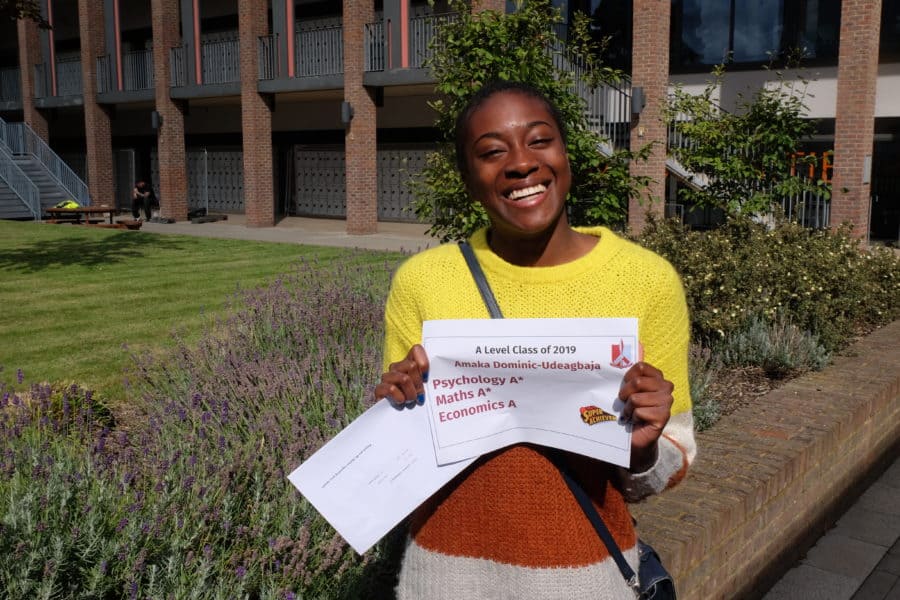

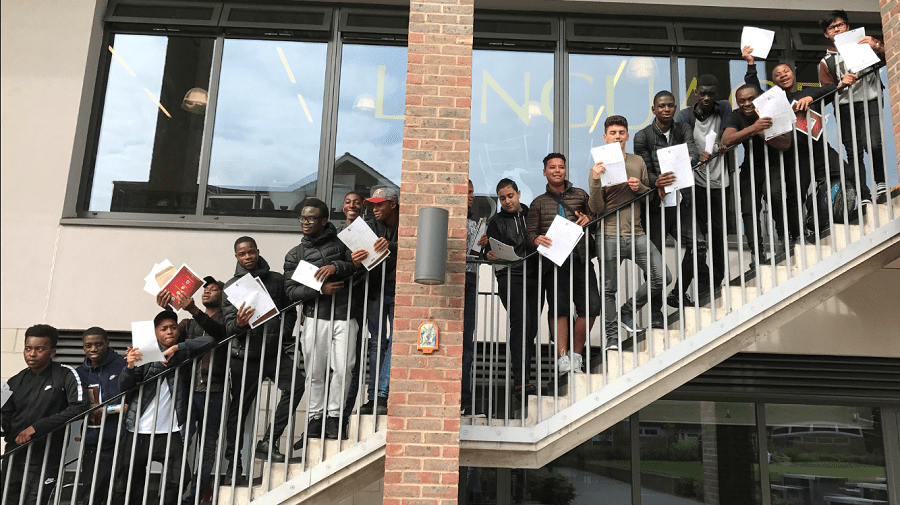
This transparency forms part of STAC’s “three Ts”: transparency, truth, and trust. Mr Cefai explains, “We won’t shy away from telling children and their parents the truth.”
For underperforming students, the truth can be a wake-up call. However, the school also provides support, with its library open before and after school to offer a quiet space for those from challenging home environments.
Assessments are scrutinised to identify pastoral issues, ensuring students struggling due to personal circumstances receive help rather than punishment.
Despite concerns that such a system might leave some pupils behind, many students praise the approach. “We’re kind of motivated… to do better,” said one pupil. “Knowing your rank, [you are able] to push it up to where you’re meant to be.”
The impact of STAC’s policies is evident in its achievements. Ofsted’s latest report called the school “inspiring, exciting, highly successful,” noting that its outcomes are “among the best for all schools in the country.”
In 2024, STAC was ranked 10th nationally for the “Progress 8” metric, which measures progress between key stages 2 and 4. With a score of +1.45, the school’s pupils achieve – on average – a grade and a half higher at GCSE than their SATs scores predict.
STAC’s demanding academic environment has also bolstered Southwark’s standing as a borough, which significantly outperforms neighbouring areas in GCSE results.
“In Peckham, which has its own reputation, these results are fantastic,” said Serge Cefai.
In addition to high academic expectations, the school implements a points system that punishes poor behaviour.
“We don’t mince our words: we don’t do what our justice system does, which is look for excuses for their bad behaviour and the kids then get confused and understand perhaps that maybe what they did wasn’t that bad, perhaps it was someone else’s fault, which means that maybe they’ll want to do it again,” he added.
Collect sufficient points, and you are investigated by a form tutor or head of year to check for pastoral issues. Minor infringements lead to a 10-minute detention after school, bigger infringements lead to detentions on a Friday night or even a Saturday morning.
Samuel Parratt, assistant headteacher at STAC, said the school’s policies only work because the clear structure was not imposed without pupil “buy-in”: as the pupils are told that the strict rules were all imposed with their success in mind.
When asked about the school’s behaviour policies, one pupil said, “They’re just trying to get you ready for the future.”
“You might wonder why it’s strict,” another pupil said, “but at the end of the day it’s very useful.”
The most extreme option to deal with a child’s poor behaviour is a child’s permanent exclusion. Serge Cefai said, “I’m fed up with hearing: ‘What about excluded kids?’ We would not hesitate to exclude kids if it meant the school community would continue to thrive.”
Mr Cefai said that his experience moving to the UK as an immigrant from North Africa, with parents who could not speak English, enables him to empathise with children from challenging backgrounds.
He said a ranking system would have been understood by his parents even though they did not speak English, enabling them to be engaged with his school performance.
Concerns about the people who are at the bottom were dismissed: “Ultimately there’s no excuse for any difficulties there might be at home”, he said, “I don’t want anybody patronising our kids anymore.”
STAC has 1100 pupils between the ages of 11 and 18 in Nunhead.
“We’re all about making sure that we produce pupils that can contribute positively to the society that they live in”, Mr Cefai added, “We can tell our staff every year that they are changing children’s lives.”




It sounds like a good School, with caveats.
Ranking Pupils can be a ‘two-edged sword’, unless handled carefully.
I prefer the Old Way of: ‘Public Praise, Private Admonition.
Bright, mentally strong, Kids can react to negative reviews and improve; those less able might enter a depressive spiral, seeing no future; unless given all the support and encouragement they need.
Some of the same problems as with ‘Streaming’.
Is it better to separate the brightest into Classes for Advanced Teaching, or keep them with the ‘Also Rans’; to enable Peer to Peer help and assistance?
BUT THE BIGGEST, REAL LIFE, PROBLEM of all, is how to educate to high standards, in All Aspects of Life, whilst surrounded by a Country and World gone Mad?
Unless ALL Gov.ts, of ALL COLOURS ‘Bite the Bullet’ on Crime, Drugs and Social indiscipline, it’s a Very Hard Struggle Up a Very Steep Hill.
And All M.P.s, of All Parties, should be setting the highest and best examples to follow, not displaying a Race to The Trough At The Bottom.