






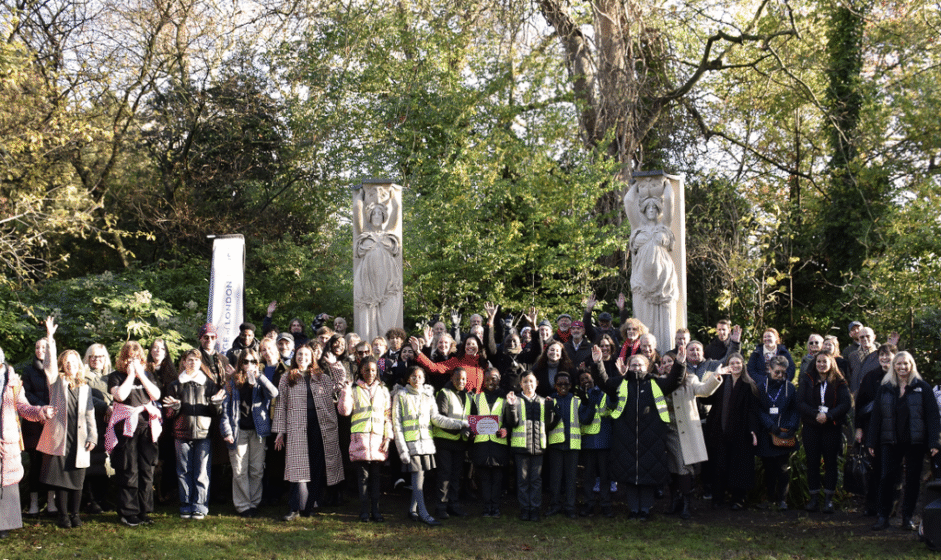
Two Greek-style sculptures in Southwark Park have been restored a century after they were built with the help of local schoolchildren.
The sculptures survived the falling bombs of the Blitz and have been shuttled across the borough over the last century, escaping demolition and regeneration.
They are of two female figures in classical dress balancing the prow of a ship on their head in a nod to Rotherhithe’s maritime history.
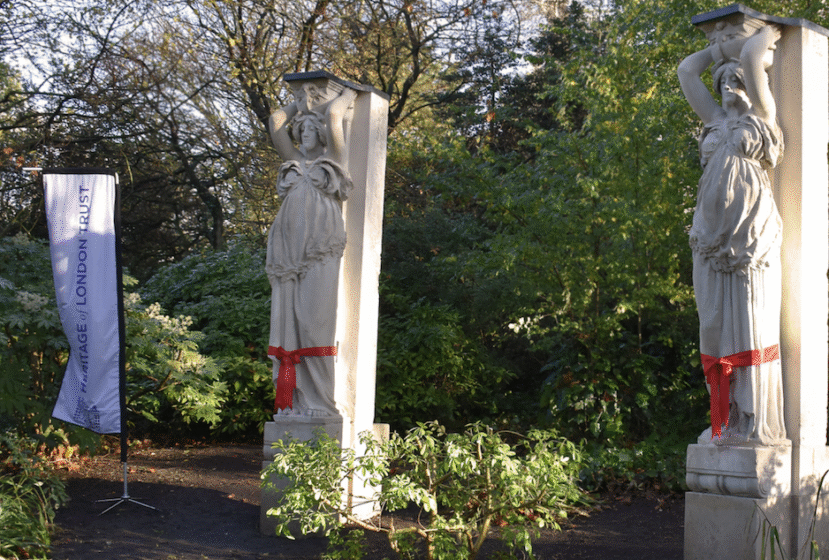
They now stand proudly in Southwark Park after they were unveiled on December 3 following an extensive restoration.
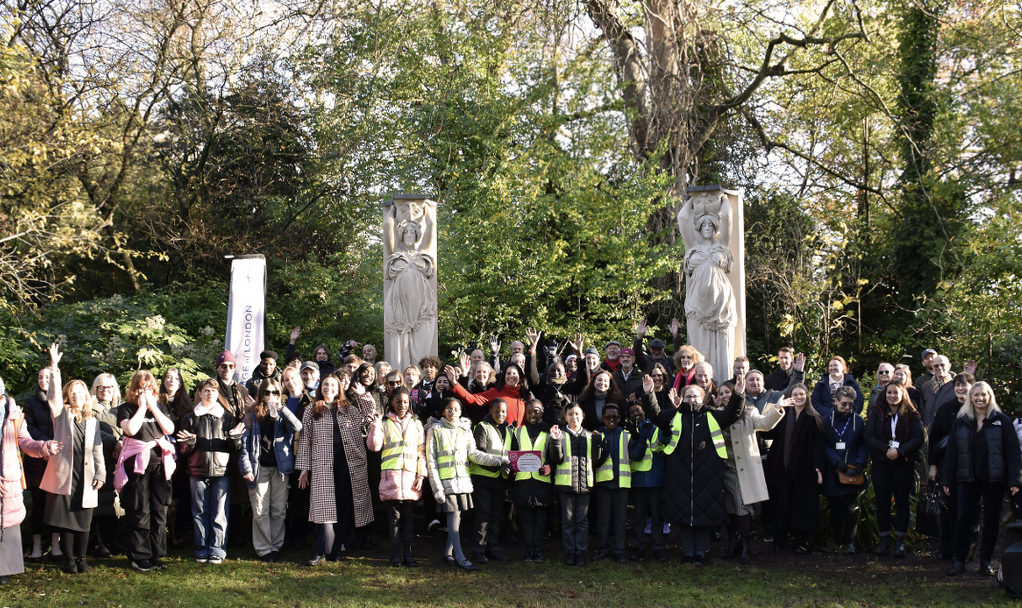
The work was carried out by volunteers from the Heritage of London Trust charity, Southwark Council, and 175 young people from local schools and youth groups.
On 3 December the community gathered in Southwark Park for their unveiling, with Mayor Sunny Lambe and Southwark Councillor Ellie Cumbo cutting the ribbon.
The sculptures – known as caryatids – were built in 1897 by the artchitect Henry Poole and originally stood outside the doorway to Rotherhithe Town Hall on Neptune Street, which later became a library.
During the Second World War the library was bombed six times, leaving it badly damaged and it was later knocked down.
Against all odds, the caryatids were rescued and in 1974 found a new home on the brutalist Heygate Estate off New Kent Road.
Relatedarticles





When that estate was demolished in 2011, the statues were moved again to Southwark Park, which was supported by the Friends of Southwark Park.
Conservators cleaned the statues and repaired missing features to the face, head and arms, modelling details in wax before recreating them in stone.
Joints were repointed and flashing added on top of the sculptures to protect them from weathering.
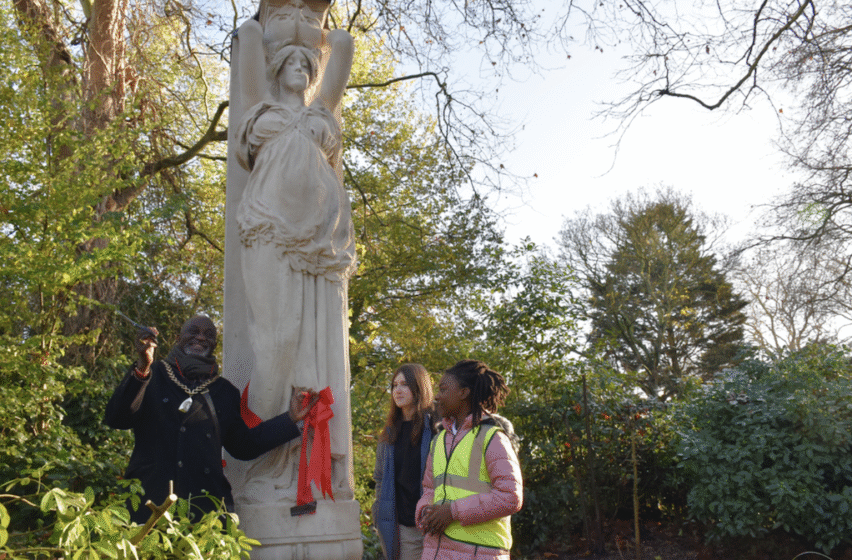
One 17-year-old from Southwark College who took part via a programme organised by the Heirtage for London gave a speech: “My name is Omar and I am from Sudan. I’m part of the Proud Places programme. I enjoyed learning about the history of our sculptures and how they were part of old Rotherhithe Town Hall.
“My favourite part of the trip was seeing the statues up close and hearing the stories behind them. Learning about our local history is very important because it helps us understand how our community has changed. Look at them – they are beautiful!”
Councillor Ellie Cumbo, Cabinet Member for Parks and Culture, said: “These historic caryatids are an extraordinary part of Southwark’s story, having survived bombs, demolitions and relocations to stand proudly in Southwark Park today.
“We are delighted to have worked with Heritage of London Trust and London Stone Conservation to ensure they are restored and protected for generations to come. It is especially exciting that local young people have been part of this project, learning new skills and connecting with the rich history on their doorstep.”
Peter Wisby, age 86, a Bermondsey resident enthused: “I must confess when I first saw the statues, I thought they were eventually going to topple over and when I saw, in the Southwark News, that they were going to be restored, I thought brilliant.
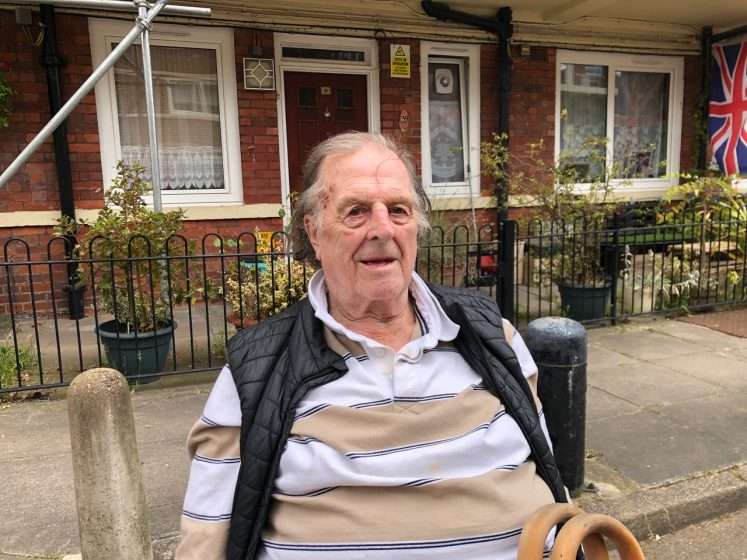
“It’s been way too long. Organisations like Heritage of London are brilliant to do it, because no one would have other than, maybe like volunteers like yourself.’”
The caryatids are the work of Henry Poole, a celebrated figurative sculptor in bronze and stone who taught at the Royal Academy and served as Master of Sculpture from 1921 until his death in 1928.
Poole’s public works once adorned buildings across Britain and abroad, from Westminster Central Hall and Deptford Town Hall to Cardiff City Hall and the bronze lions that once guarded the Shanghai headquarters of the Hong Kong and Shanghai Banking Corporation, now displayed in the Shanghai History Museum.
Londoners may have known his more playful work too, including the comical bronze friars decorating the interior of The Blackfriar pub in the City.
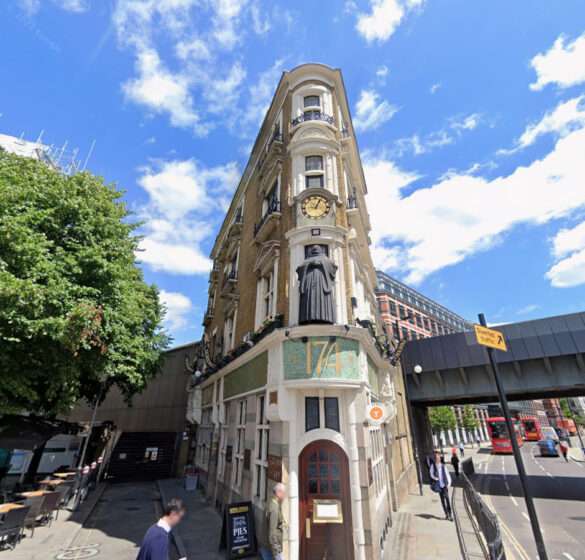
Much of Poole’s output had been lost or relocated as public buildings changed over the last century which made the Southwark Park caryatids all the more precious.
This Heritage of London Trust restoration project was supported by Knight Frank.
Dr Nicola Stacey, Director, Heritage of London Trust said: ‘”These wonderful fragments of Southwark’s history have survived more than 100 years of disruption and loss.
“We’re thrilled to have restored them to their former magnificence so they can be enjoyed by the public – and at the same time highlight the work of a very fine but little-known Arts & Crafts sculptor.”