









Cycling in London has become far safer in recent years but there is still “plenty of room” for improvement, Transport for London (TfL) has been told.
Polling seen by the Local Democracy Reporting Service (LDRS) in February showed that 43 per cent of cyclists in the capital still don’t feel safe despite the city’s cycling revolution in recent years.
Last year TfL revealed that 1.5million cycle journeys are taking place in the capital on a daily basis, up 13 per cent since 2024 and 43 per cent since 2019. There are now 435km of specialist cycle routes in London, where cyclists have dedicated and often uninterrupted lanes protected from traffic.
But even regular cyclists recognise that the capital doesn’t quite match the likes of Amsterdam when it comes to the majority of residents seeing two wheels as a way of life.
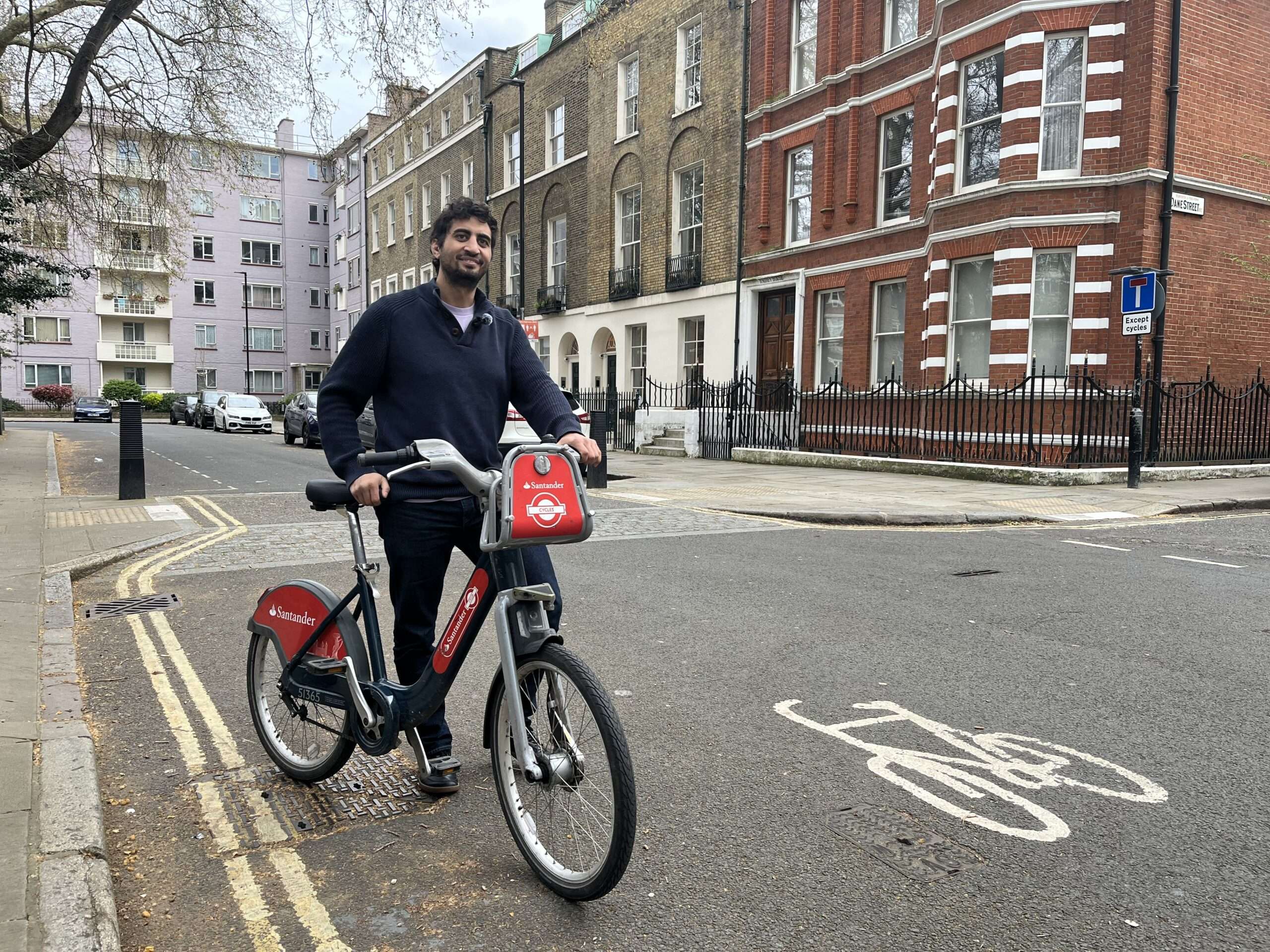
Yahia Abaza, the Tower Hamlets borough coordinator for the London Cycling Campaign (LCC), has been cycling in London for almost two decades.
While he says he has seen a positive “transformation” in that time, there is still “plenty of room to grow” in order to make cycling a natural choice for the majority of Londoners.
“There’s a lot of people who will be nervous on London’s roads – they’re riding on a cycle path at one point and then suddenly it stops and they’re having to navigate with buses and taxis and mopeds and so on,” he told the Local Democracy Reporting Service (LDRS).
“And so it feels a little bit overwhelming.
“So I think that’s a really big problem that prevents a lot of people who would like to cycle from being able to cycle and feel safe.
Relatedarticles




“And even myself, there have definitely been times where, you know you feel unsure about which direction to go. So it takes a bit of practice, but also it’s not something that we should need people to have to do. There’s ways of building the infrastructure in a way that is just more safe and fun and accessible for a wider range of people.
Credit: Kumail Jaffer/LDRS
“We need a more complete cycle network. Right now it’s kind of, there’s a bit of a patchwork of cycle lanes that start in one place and then they stop in a different setup of infrastructure and different designs.”
However, other cyclists we spoke to praised moves in recent years which have made it easier to be on two wheels on London’s roads.
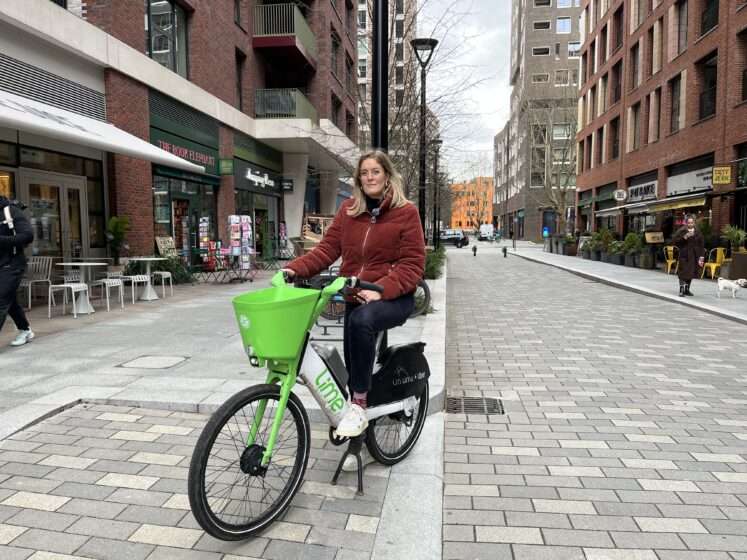
Credit: Kumail Jaffer/LDRS
“I feel like it’s changed a lot now with all the cycle lanes. I feel like cyclists definitely have right of way,” 30-year-old Phoebe Slack, who often rents a Lime bike to get to her workplace in South London, said. “Cars are definitely more aware of cyclists now.”
Nico Nugee said commuting into his central London workplace by bike instead of the tube during rush hour has been a game changer.
The 27-year-old said the capital is one of the safest major cities he has navigated on a bicycle, with the rollout of cycle lanes a massive bonus to getting around quickly and safely.
He says nervous novices simply need some practice in quieter areas before tackling the hustle and bustle of Zone 1.
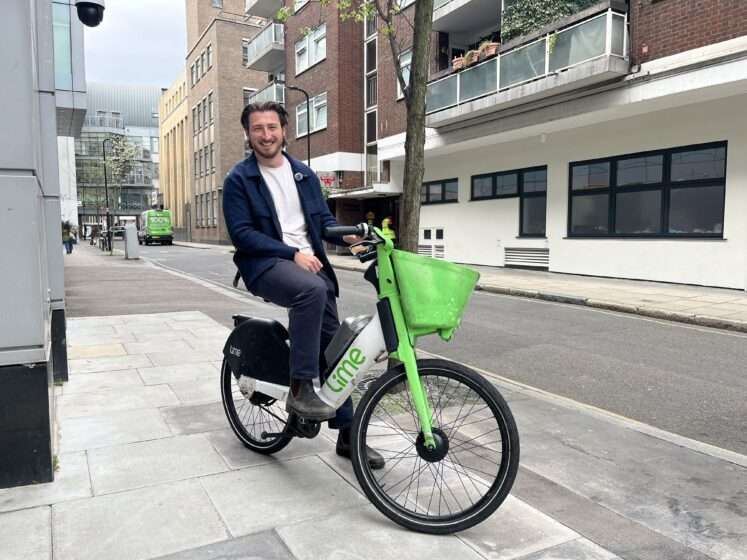
Credit: Kumail Jaffer/LDRS
“I totally get the apprehension, you know, but just practise in safer areas and then start doing it,” he explained.
“You’ll get very comfortable very quick and it’s definitely the best way of getting around.”
Asked about what City Hall and TfL have done to reduce the risk for cyclists, Sir Sadiq told the LDRS: “The great news is we’ve increased fourfold the amount of safe cycling [routes] in London.
“We’ve also seen in the recent past an increase of almost 40 per cent of people cycling.There has been an increase in people who have been injured on the roads who are cyclists, but when you compare the increase in cycling in percentage terms it’s a relative reduction. It’s still too high though.
“So we’re determined to have more safe cycling in our city.
“We’re determined to make more progress on improving major junctions, a big source of some of these areas where there’s too many accidents.
“But also we’re determined to make sure we take action against those vehicles that are causing harm to our cyclists. You’ll see more use of AI when it comes to the police targeting dangerous drivers, but also more intelligent use of traffic lights as well.”








The issue with many cycle lanes is that they ‘appear’ and ‘disappear’ most awkwardly. Unless you know the route you’re taking by heart, many cycle paths start without clear indications and if you’re not ‘in the know’ you keep cycling on the main road (putting yourself in danger while cycling amongst drivers who are angry and don’t understand why you’re not on the cycle path).
Getting on/off a cycle path often requires to go partially on the footpath which shifts the danger from the cyclist to the pedestrian.
And the biggest bug bear in the safety is the British mentality to avoid pedestrians/cyclists/cars using a crossing at the same time. On these ‘safe routes’ the cyclists are often asked to turn in two stages for example. With 3 or more stages of lights, cyclists who follow this might encounter a 5 minute wait to turn. Lime bikers often can’t wait for 5 seconds, let alone 5 minutes!
It might seem awkward, but putting a little danger into the traffic usually makes road users more attentive to their environment. Look at how regular crossings on the continent are only in 2 stages with pedestrians/cyclists/cars all crossing in one direction at the same time. It means that anyone in/on a vehicle making a turn must look out for pedestrians who might be crossing. It instills a behaviour of always being on alert for other road users. Especially drivers here think that green gives them priority over all other traffic, even when turning and therefore forget to look out for cyclists to their left.