









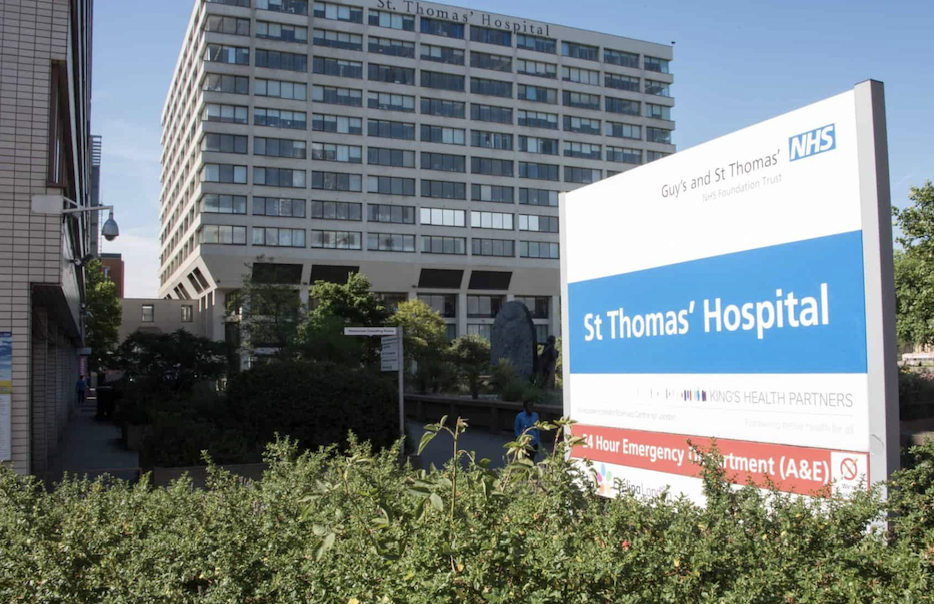
We reported last week that a hospital unit which specialises in treating homeless people for drug and alcohol misuse will close at the end of March.
The detox unit at St Thomas’s Hospital is the only NHS initiative of its kind in London and has treated more than 1,000 homeless patients since it opened four years ago, so the news of its closure is disappointing.
We also came up against difficulty when trying to get to the bottom of who had actually made the decision to close the unit.
Responsibility for running it was fragmented; the unit was created in 2021 by Public Health England (now NHS England) in partnership with the Greater London Authority, Guy’s and St Thomas’ NHS Foundation Trust, and the 32 borough councils.
Funding was awarded by central government and the unit was then commissioned by the City of London, the local authority.
When the unit opened, Guy’s and St Thomas’ Hospital said it would “plug a known gap in treatment facilities for homeless people dealing with serious alcohol and substance dependence.”
The memo announcing the planned closure suggested the reason was cost; but what changed financially in the last four years to render operating the unit unviable
We contacted the trust which runs the hospital, followed by the local authority in charge, both of whom declined to comment. The latter directed us to the Department of Health and Social Care, which appeared to deflect responsibility back to the local authority in charge of commissioning the service. They said the Department was investing £3.4 billion over the next few years and that local authorities were responsible for deciding how they spend their share.
It is hard to understand why a unit which fulfils such an important role has been earmarked for closure.
Relatedarticles





According to the Combined Homelessness and Information Network CHAIN about 42% of people sleeping rough in London had an alcohol misuse support need in 2018 to 2019.
It was announced this week that the government plans to invest millions in tackling homelessness and rough sleeping. The government says the funding will “help partners and local authorities find smarter, more joined-up ways to get people off the streets for good, from complex case co-ordination to peer mentoring and stronger links between services.”
The detox unit is the perfect example of local services effectively collaborating to tackle homelessness, making the decision to close by a government which claims to be committed to eliminating rough sleeping even more difficult to understand. Perhaps that’s why nobody wants to own up to the decision?