To read more stories from around South London visit our sister site southlondon.co.uk
A film showing local people living with HIV has been produced by King’s College Hospital, featuring the story of a woman who found out she was positive when she fell pregnant and a man who was born with the diagnoses, writes Frankie Hills…
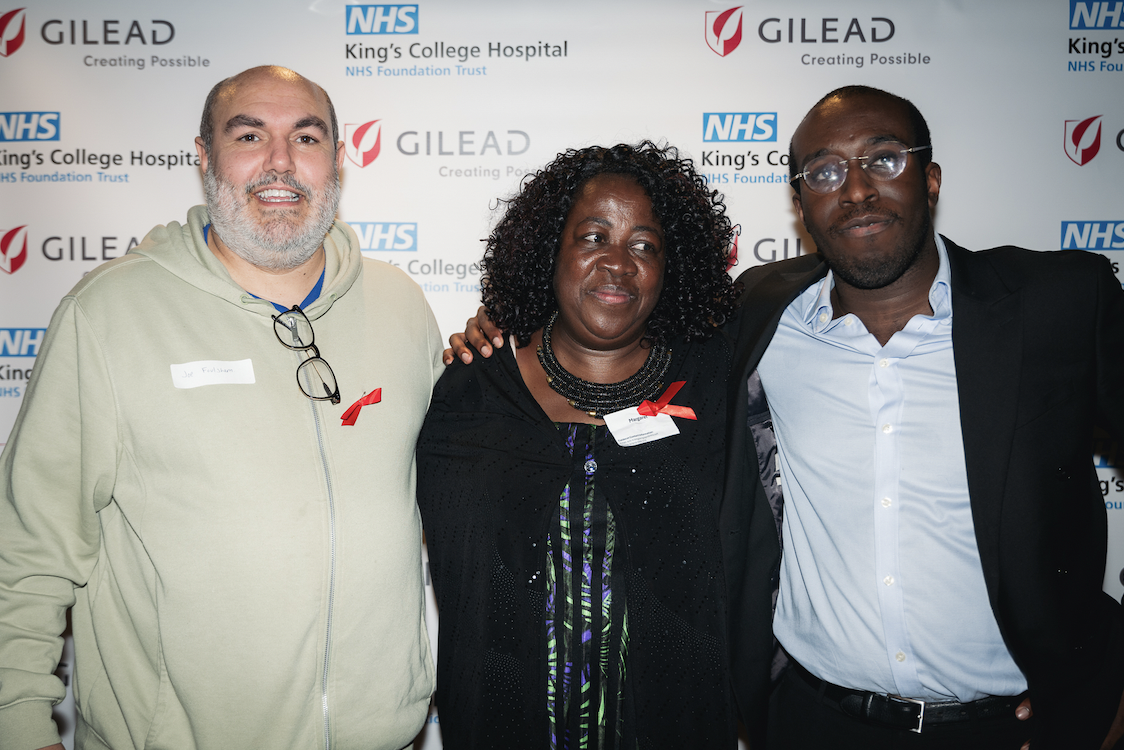
Three south Londoners share their personal stories through the new film released by King’s College Hospital NHS Foundation Trust, with the aim to tackling the stigma around HIV Diagnoses.
The film is intended to be used as an educational tool in local settings and was produced by King’s, with funding being provided by Gilead Sciences.
Ralph-Lewis’ story focuses on his experience being living with HIV since birth. In the film, he explains the impacts this had on his mental health, and the ensuing support he has received through NHS services that has shaped his journey.
Speaking about what he hopes the film will achieve he said “If it helps just one person who is struggling, then we’ve achieved something amazing. I was born with a positive status, but this illness has never defined me, and will never define me.”
The film also explores the experiences of Southwark resident Margaret, whose ordeal started 20 years ago, discovering she was HIV positive during a routine pregnancy appointment at King’s.
She highlighted the importance of early testing and treatment, stating “I am so grateful I had that test and was able to start treatment. I would encourage anyone to get an HIV test”. Her tale of endurance has allowed her to go on to have two healthy, HIV-negative children.
Margaret’s hopes for the film are that it will provide crucial insights and awareness, saying “Stigma is still around, but it just shows a lack of understanding.
“Education is the best way to raise awareness: if we don’t speak up about HIV, who will?”
The final story the film features is that of Joe, who now works as a peer-mentor, supporting his fellow patients regarding their diagnosis at King’s Caldecot Centre.
Joe’s hopes for the film are that it “educates, informs, and above all provides hope. Speaking further, he said: “For me, realising I had HIV was the beginning of a new chapter in my life, and it has brought me stability. A positive diagnosis of HIV is by no means the end: I see a really good, long, prosperous life ahead of me.”
Hayley Cheetham, Senior Charge Nurse for Sexual Health and HIV at King’s, praised the three contributors for speaking so transparently about their experiences. “They have taken huge steps in challenging people’s perceptions around the illness,” she said.
“As the film shows, people with HIV can thrive with the right support and treatment, leading long and healthy lives.”
Cheetham continued by detailing the Trust’s plans to screen the film to teach staff and volunteers about changing perceptions around the disease.
Meanwhile, there are plans to distribute it across schools, community organisations, faith groups and GP services.
“Hopefully the film will help change the language around HIV and encourage more people to take a test and find out their status,” she added.