





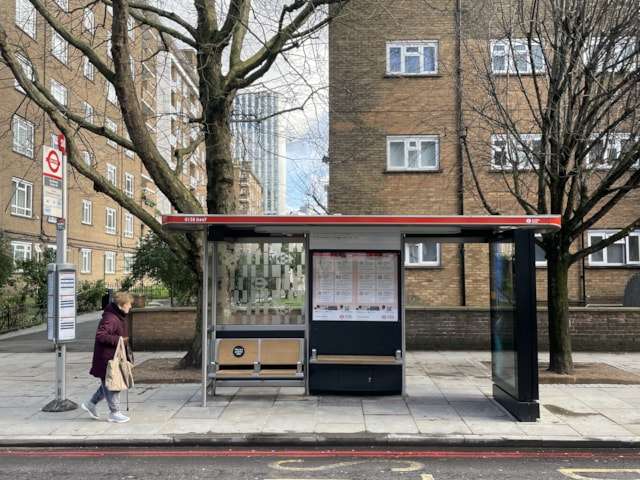
TfL is transforming a handful of bus shelters across London as it experiments with a new design which could eventually be rolled out everywhere.
New shelters could include better lighting, improved seating and even CCTV cameras.
In total, 27 bus shelters were upgraded in January across 12 London boroughs, including Southwark and Lambeth, as part of a trial TfL is running over the next 12 months.
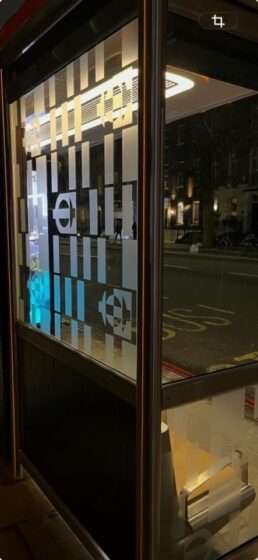
So far we only know two locations which have the new bus shelters: Blackfriars Road and Maida Vale in north London.
In addition to revamping some shelters, TfL is also adding them to 20 bus stops which don’t already have one.
The new bus shelters have been designed with the aim of improving accessibility, safety and the overall customer experience.
The locations were chosen based on the condition of existing shelters, the number of customers using each bus stop, as well as those in high crime areas.
Carl Eddleston, TfL’s Director of Streets and Network Operations, said: “This initiative reflects our commitment to creating a bus network that feels safer, more welcoming and easier to use. By modernising our infrastructure, we’re ensuring that Londoners benefit from spaces that truly support their daily journeys.
“These upgrades allow us to rethink how our shelters serve the city and help us shape the future of public transport. We are keen to hear directly from those who use these shelters so we can incorporate their feedback into future designs.”
Relatedarticles

Across the sites, two different designs and four different configurations of features will be used to test the new approach. Throughout the trial TfL will carefully consider any feedback and will incorporate this into the future design of London’s bus shelters.
The bus is the most popular form of public transport in London, with more than 5 million journeys each day. Bus stops and shelters are the most used waiting points daily across all public transport modes and TfL maintains most of the 14,000 bus shelters across London.
TfL’s goal is for 80 per cent of London journeys to be made using public transport or active travel by 2030.
They worked with disability focus groups, the RNLI, London Travel Watch and the Suzy Lamplugh Trust on designing the new shelters.
In 2024, TfL installed CCTV in 20 bus shelters across London as part of a trial with the Metropolitan Police aiming to make journeys safer and give women and girls more confidence when travelling.
Initial results showed that 80 per cent of 1,000 women surveyed said CCTV made them feel safer and 73 per cent said they would be more likely to travel by bus.
Ten of the shelters will be fitted out with CCTV cameras, and the trial will help TfL evaluate the cost and feasibility of rolling out the cameras across all bus stops.
Michael Roberts, CEO of London TravelWatch, said: “Many people – particularly women and girls – can feel unsafe waiting at bus shelters after dark, so better lighting and CCTV will go a long way to help them feel more safe and secure. We know that buses are a vital mode of transport for many people, so this is a positive way to encourage people to use them more and make them feel a lot safer and comfortable when they do so.
“Our recent street space research also found that a third of Londoners wanted better places to sit and rest, so more comfortable bus shelters will no doubt be welcomed by many people, and particularly those with mobility issues. We’ll be looking out for the new bus shelters and look forward to seeing the results of the trial.”
Seb Dance, London’s Deputy Mayor for Transport, said: “The Mayor and I are committed to making sure our transport network is safe and seamless for everyone to use, so that Londoners and visitors can make the most of all our fantastic city has to offer.
“We’re pleased to see TfL working to improve accessibility and safety across the bus network, trialling innovative new approaches to ensure passengers have the best possible journeys, as we continue building a fairer and better London for all.”
The enhanced features of the new shelters include:
- Better lighting – a brighter waiting environment to help customers feel safer and provide better visibility of the bus shelter and stop for bus drivers
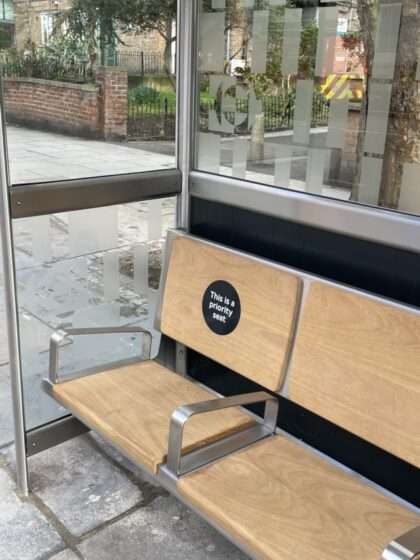
- Improved seating – an updated seating design to enhance comfort and ease of access, especially for customers with mobility impairments
- More robust materials – shelters less prone to the impact of vandalism, making them easier to maintain
- An improved roof design – a reflective red vinyl to strengthen the iconic red bus brand identity and stand out more, making it more recognisable in darkness and from further away
- Priority spaces – a priority seating moquette and dedicated waiting space with signs for priority customers
- CCTV – cameras installed at 10 locations to enhance public safety, with evaluation of how they support police investigations and influence crime levels in those areas
The following boroughs are included in the trial:
Barking & Dagenham
Bexley
Camden
Croydon
Hackney
Havering
Hillingdon
Kingston-upon-Thames
Lambeth
Southwark
Wandsworth
City of Westminster